North West One Maths Hub
Led by Altrincham Grammar School for Girls, Cheshire (part of The Bright Futures Educational Trust)
Led by Altrincham Grammar School for Girls, Cheshire (part of The Bright Futures Educational Trust)

Seven Core Maths classes prove the value of the qualification for students
Spine 3: Fractions – Topic 3.4

We visit a school in Lancashire pioneering their use

How bespoke support enabled a primary school to achieve its best ever maths SATs results
Spine 3: Fractions – Topic 3.5

A head of maths and Maths Hub Lead talks about the benefits of the qualification

Why is coherence one of the Five Big Ideas in Teaching for Mastery?
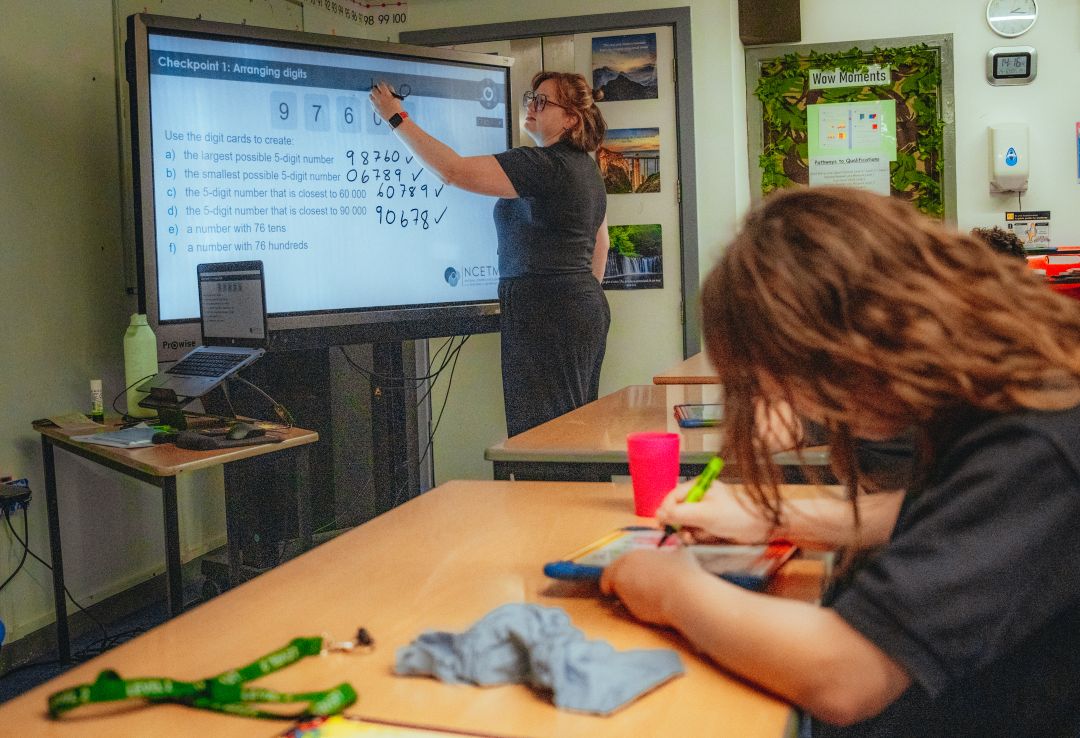
A head of maths explains how lesson videos helped her team explore teaching for mastery approaches in a specialist setting

A discussion with the head of a Birmingham primary school which embraced teaching for mastery in 2016

Secondary maths teachers will find up-to-date qualifications and curriculum info all in one place
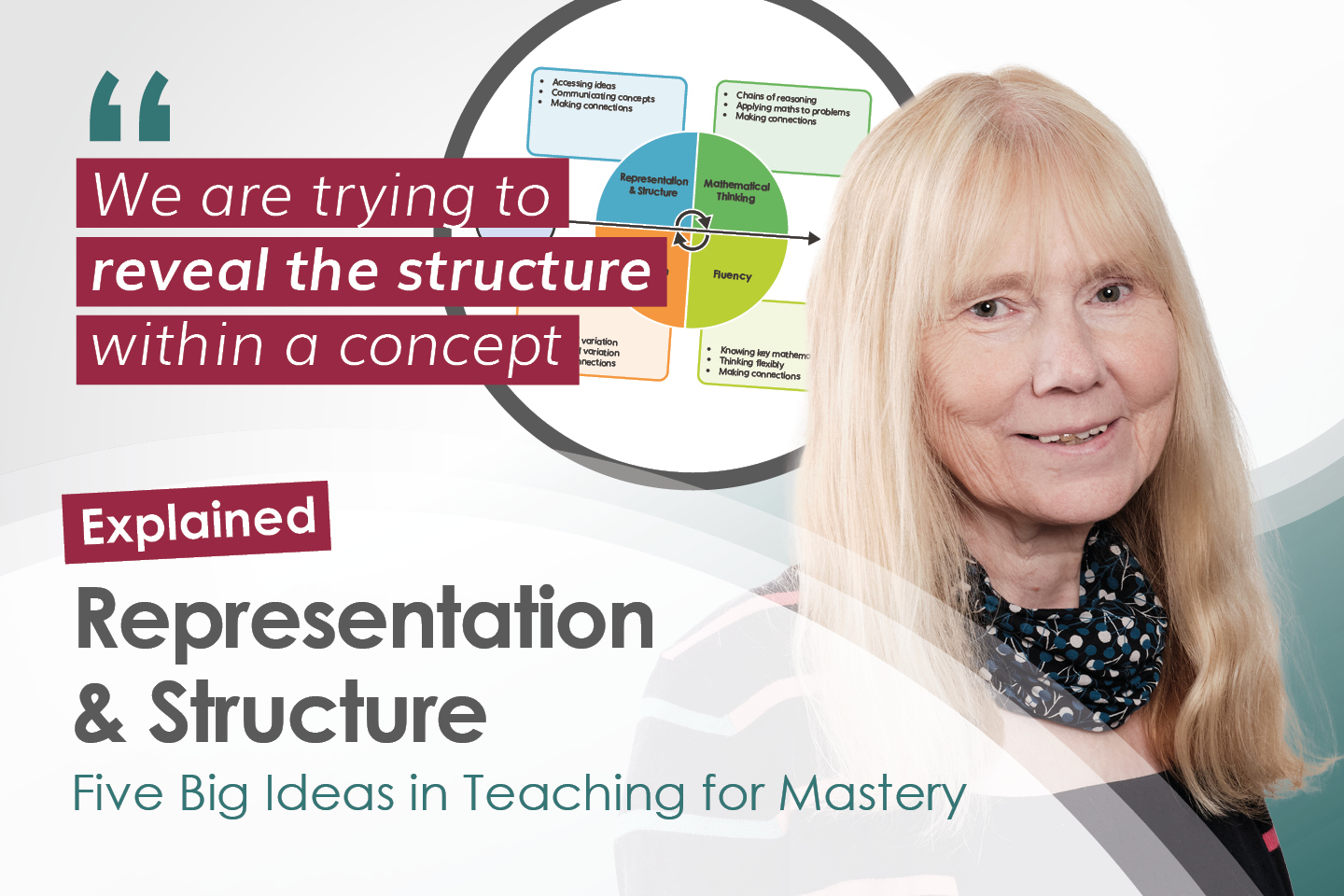
Discover how to use Representation and Structure – one of the Five Big Ideas in Teaching for Mastery – to improve maths teaching

One Lancashire primary school has seen pupil confidence flourish as numeracy skills are embedded from Reception
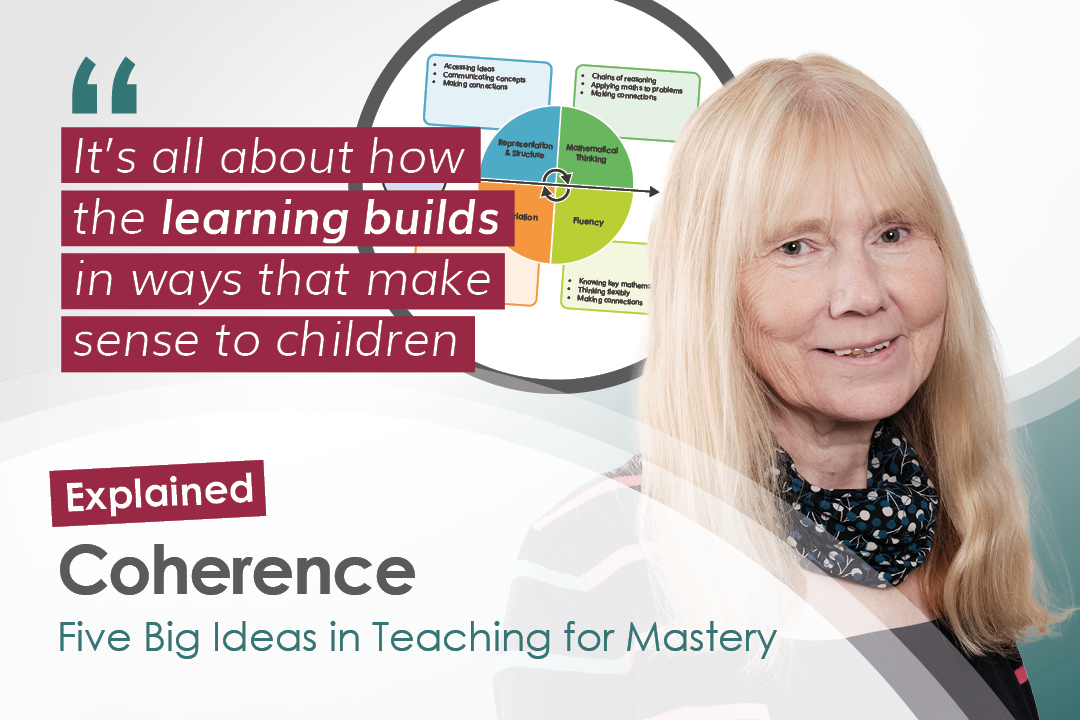
Why is Coherence one of the Five Big Ideas in Teaching for Mastery? And what does it mean for primary maths teachers?

We talk to a Year 7 teacher and one of the authors of our newest secondary classroom resource

What one primary teacher has done to improve children's confidence by engaging parents in learning maths

Understanding that one number can be made up from (composed from) two or more smaller numbers

A Work Group looks at ways to manage maths curriculum objectives with two or more year groups in one class

One small rural coastal primary shares a practical approach to mixed-age maths using flexible teaching and continuous provision
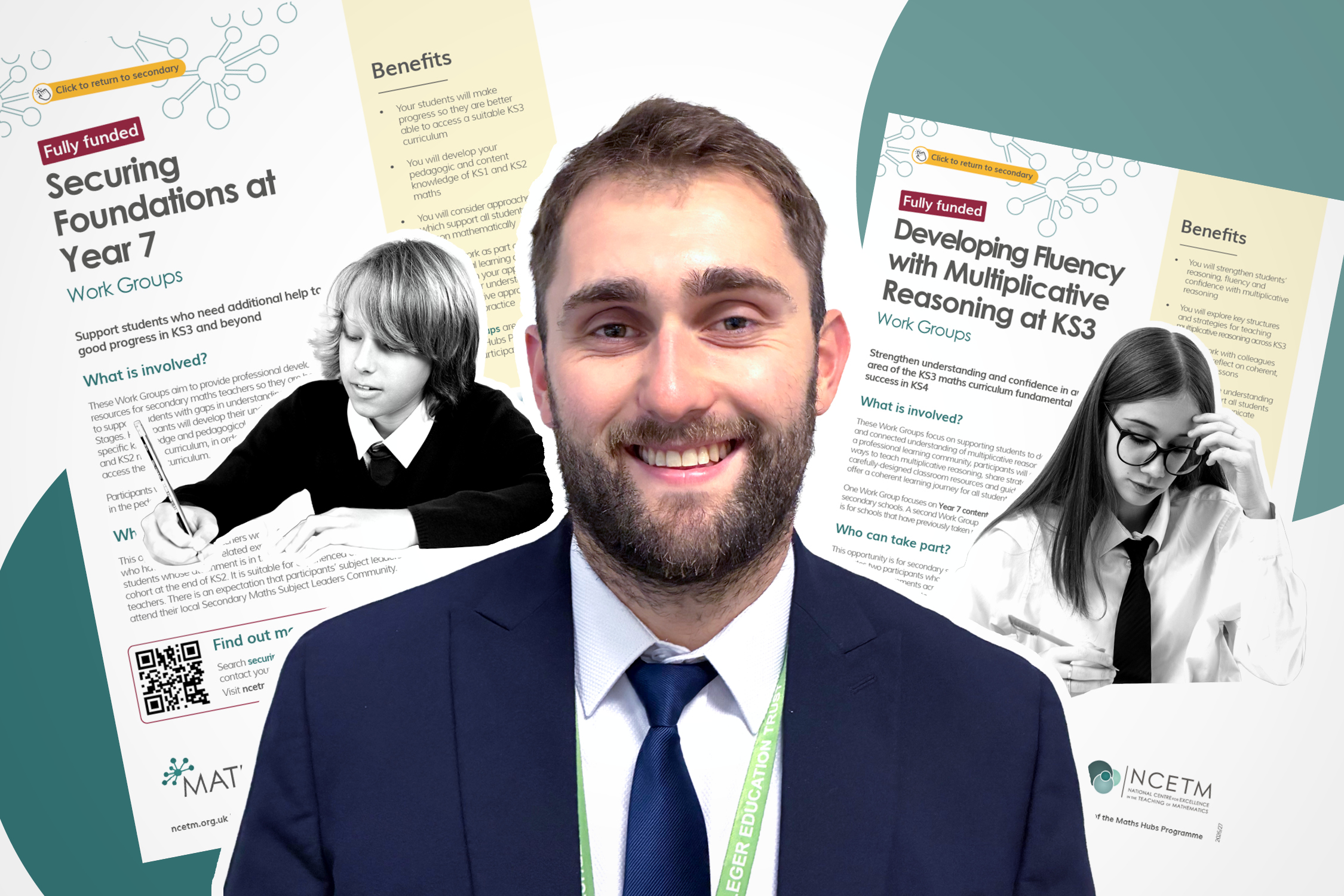
How one secondary school developed a bespoke curriculum for KS3 students to give them the best start in maths

We find out why one of the country’s largest post-16 colleges has introduced Core Maths

How one trust has paved the way for its schools to benefit from the Maths Hubs Programme

How Intensive support helped one secondary school to improve GCSE Maths results by 20 percentage points
A secondary maths teacher explains how she’s incorporating elements of ‘variation theory’ into all aspects of her teaching

79 PowerPoints, each one focusing on one of the ready-to-progress criteria in the new DfE maths guidance for KS1 and KS2

Find out how one school harnessed the mastery approach used in its feeder schools to support new Year 7 students
National Curriculum resources for Fractions – Year 4
National Curriculum resources for Fractions – Year 2

Jenny Laurie, deputy head and maths teacher at a central London secondary school, talks about being one of the very earliest to adopt a teaching for mastery approach in maths

Discover how the maths department at one Cornwall school went back to the drawing board to develop a new KS3 curriculum

Why is fluency one of the Five Big Ideas in Teaching for Mastery? And what does it mean for secondary maths teachers?

How one school and teacher have used separate grants from the SHINE organisation to develop projects for primary maths

We share how schools in one of Britain’s most economically-challenged areas are working with their local Maths Hub to ensure all pupils can succeed

Core concept 6.3 introduces translation, rotation, reflection and enlargement. It explores the degrees of freedom available, in terms of what does and doesn’t vary for each one.

One North Yorkshire primary school has made teaching for mastery work in four classes which span seven year groups
National Curriculum resources for Multiplication and Division – Year 3
National Curriculum resources for Fractions – Year 6
National Curriculum resources for Fractions – Year 5
National Curriculum resources for Fractions – Year 1

A London school models one possible way to make the transition
National Curriculum resources for Statistics – Year 2

How one school employed a primary teacher to help introduce mastery
National Curriculum resources for Geometry - position and direction – Year 4
National Curriculum resources for Multiplication and Division – Year 1

A set of video clips from 2014/15 centred on one lesson, focusing on the 6-times-table
National Curriculum resources for Number and Place Value – Year 1
National Curriculum resources for Addition and Subtraction – Year 1
National Curriculum resources for Fractions – Year 3
National Curriculum resources for Statistics – Year 3
National Curriculum resources for Multiplication and Division – Year 4
National Curriculum resources for Geometry - position and direction – Year 6

How one North East secondary school is 'Securing Foundations at Year 7', with a new Maths Hubs project aimed at supporting all students to thrive in the maths classroom
National Curriculum resources for Addition and Subtraction – Year 2
National Curriculum resources for Multiplication and Division – Year 2
National Curriculum resources for Multiplication and Division – Year 5
Unit 3 – 2 weeks
National Curriculum resources for Algebra – Key Stage 3
National Curriculum resources for Ratio and Proportion and Rates of Change – KS3
Unit 2 – 2 weeks

Theme 8 comprises two core concepts: working with direct and inverse proportion; understanding graphical representations of proportionality.

Theme 9 comprises five core concepts: exploring linear equations and inequalities; exploring non-linear sequences; exploring quadratic equations; inequalities and graphs; sequences, functions and graphs; exploring trigonometric functions.

Theme 11 comprises four core concepts: transformations and relative position; reasoning with the properties of a circle; trigonometry; 3D shapes.

Theme 10 comprises three core concepts: statistical measures and analysis; statistical representations and analysis; probability.
National Curriculum resources for Number – Key Stage 3
Unit 11 – 2 weeks

Theme 7 comprises two core concepts: using structure to calculate and estimate; using structure to transform and evaluate expressions.
Unit 10 – 2 weeks

Series 2, all episodes
Theme 6 comprises four core concepts: geometrical properties; perimeter, area and volume; transforming shapes; constructions.

Theme 4 comprises two core concepts: sequences; graphical representations.

Theme 1 comprises four core concepts: place value, estimation and rounding; properties of number; ordering and comparing; simplifying and manipulating expressions, equations and formulae.
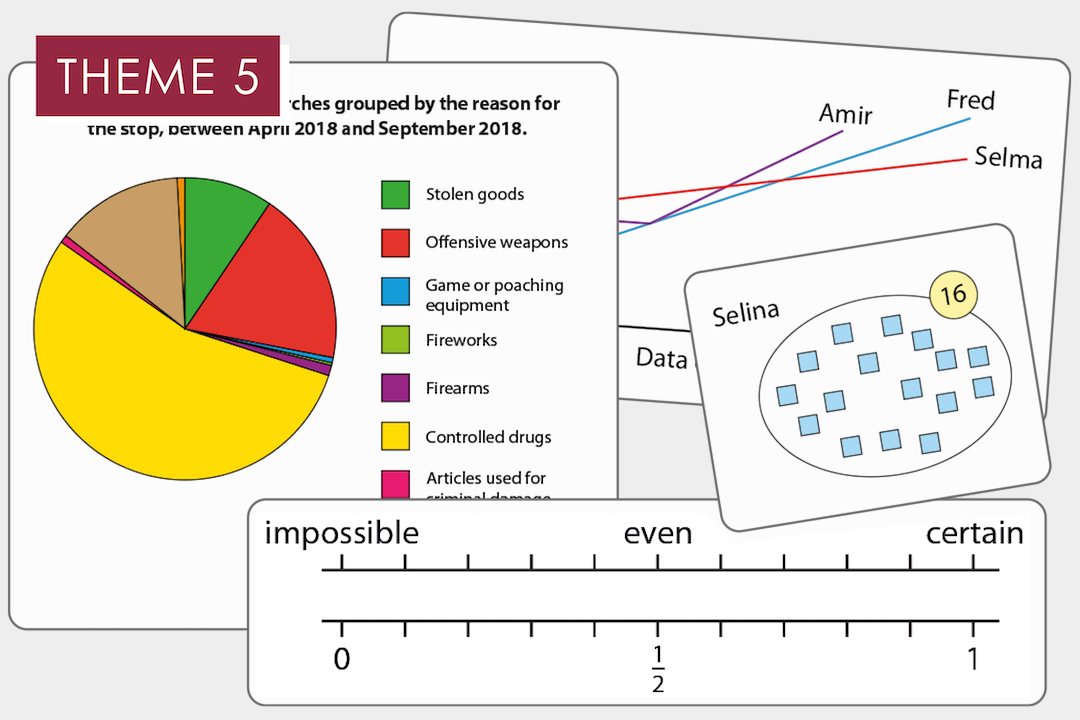
Theme 5 comprises three core concepts: statistical representations and measure; statistical analysis; probability.

Series 1, all episodes
Unit 4 – 2 weeks
Unit 6 – 3 weeks
Unit 13 – 1 week
Unit 5 – 7 weeks

Theme 3 comprises two core concepts: understanding multiplicative relationships; trigonometry.

Theme 2 comprises two core concepts: arithmetic procedures; solving linear equations.
Unit 7 – 2 weeks
Unit 9 – 4 weeks
Unit 1 – 5 weeks
Unit 3 – 4 weeks
Spine 3: Fractions – Topic 3.0
Unit 1 – 4 weeks
Unit 4 – 6 weeks
Spine 1: Number, Addition and Subtraction – Topic 1.23
Unit 8 – 4 weeks
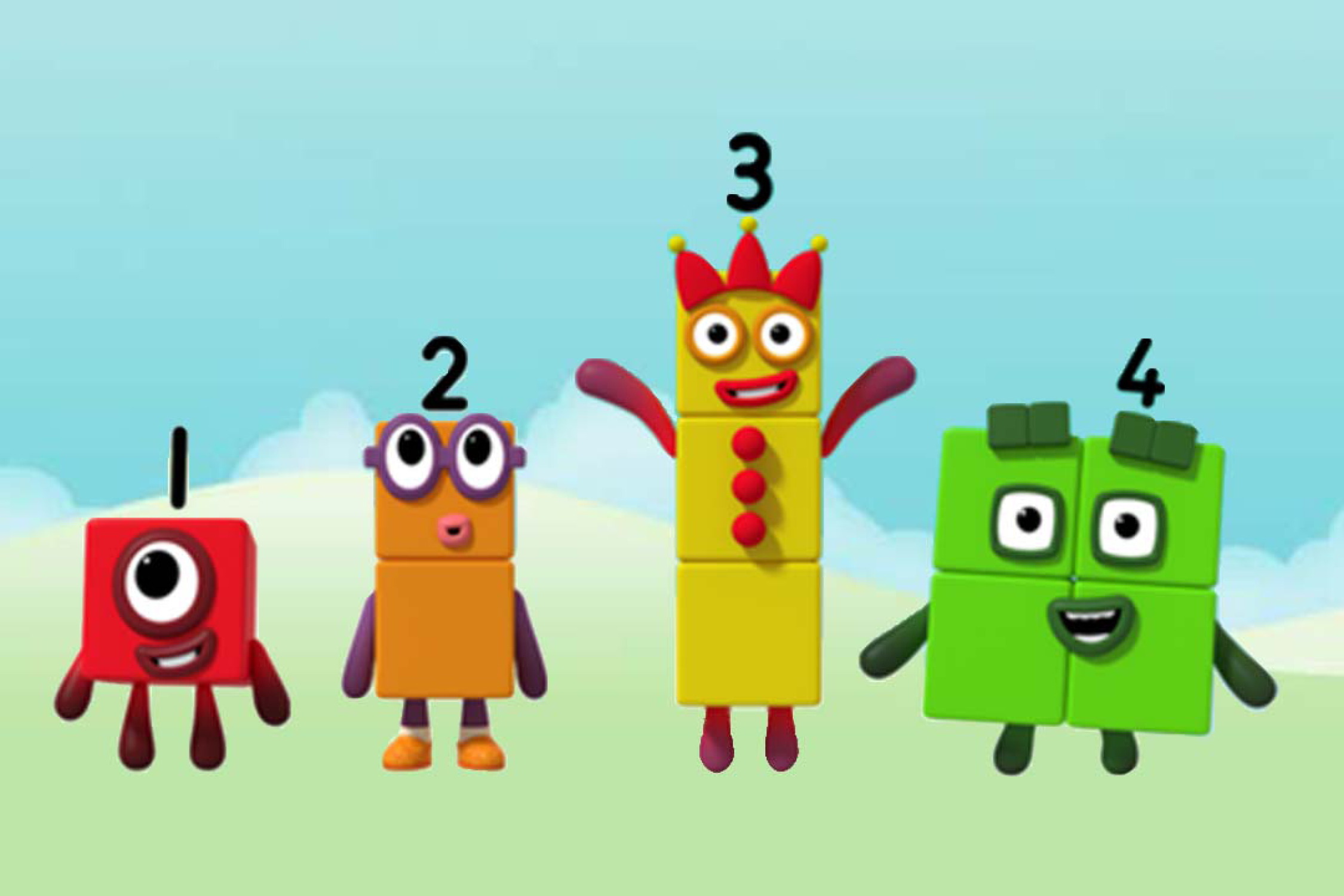
Resources to accompany the CBeebies Numberblocks series, designed for parents to use at home with children
Spine 1: Number, Addition and Subtraction – Topic 1.24
Spine 1: Number, Addition and Subtraction – Topic 1.3
National Curriculum resources for Number and Place Value – Year 2
Spine 1: Number, Addition and Subtraction – Topic 1.12
Spine 2: Multiplication and Division – Topic 2.29
Unit 2 – 10 weeks

Series 3, all episodes
Generic breakdown for each multiplicative reasoning workshop phase

Understanding that comparing numbers involves knowing which numbers are worth more or less than each other
Unit 6 – 5 weeks
Spine 1: Number, Addition and Subtraction – Topic 1.31
Seven Core Maths classes prove the value of the qualification for students
We visit a school in Lancashire pioneering their use
How bespoke support enabled a primary school to achieve its best ever maths SATs results
A head of maths and Maths Hub Lead talks about the benefits of the qualification
Why is coherence one of the Five Big Ideas in Teaching for Mastery?
A head of maths explains how lesson videos helped her team explore teaching for mastery approaches in a specialist setting
A discussion with the head of a Birmingham primary school which embraced teaching for mastery in 2016
Secondary maths teachers will find up-to-date qualifications and curriculum info all in one place
Discover how to use Representation and Structure – one of the Five Big Ideas in Teaching for Mastery – to improve maths teaching
One Lancashire primary school has seen pupil confidence flourish as numeracy skills are embedded from Reception
Why is Coherence one of the Five Big Ideas in Teaching for Mastery? And what does it mean for primary maths teachers?
We talk to a Year 7 teacher and one of the authors of our newest secondary classroom resource
What one primary teacher has done to improve children's confidence by engaging parents in learning maths
A Work Group looks at ways to manage maths curriculum objectives with two or more year groups in one class
One small rural coastal primary shares a practical approach to mixed-age maths using flexible teaching and continuous provision
How one secondary school developed a bespoke curriculum for KS3 students to give them the best start in maths
We find out why one of the country’s largest post-16 colleges has introduced Core Maths
How one trust has paved the way for its schools to benefit from the Maths Hubs Programme
How Intensive support helped one secondary school to improve GCSE Maths results by 20 percentage points
A secondary maths teacher explains how she’s incorporating elements of ‘variation theory’ into all aspects of her teaching
Find out how one school harnessed the mastery approach used in its feeder schools to support new Year 7 students
Jenny Laurie, deputy head and maths teacher at a central London secondary school, talks about being one of the very earliest to adopt a teaching for mastery approach in maths
Discover how the maths department at one Cornwall school went back to the drawing board to develop a new KS3 curriculum
Why is fluency one of the Five Big Ideas in Teaching for Mastery? And what does it mean for secondary maths teachers?
How one school and teacher have used separate grants from the SHINE organisation to develop projects for primary maths
We share how schools in one of Britain’s most economically-challenged areas are working with their local Maths Hub to ensure all pupils can succeed
How one school employed a primary teacher to help introduce mastery
How one North East secondary school is 'Securing Foundations at Year 7', with a new Maths Hubs project aimed at supporting all students to thrive in the maths classroom
Spine 3: Fractions – Topic 3.4
Spine 3: Fractions – Topic 3.5
Understanding that one number can be made up from (composed from) two or more smaller numbers
79 PowerPoints, each one focusing on one of the ready-to-progress criteria in the new DfE maths guidance for KS1 and KS2
Core concept 6.3 introduces translation, rotation, reflection and enlargement. It explores the degrees of freedom available, in terms of what does and doesn’t vary for each one.
One North Yorkshire primary school has made teaching for mastery work in four classes which span seven year groups
A London school models one possible way to make the transition
A set of video clips from 2014/15 centred on one lesson, focusing on the 6-times-table
Unit 3 – 2 weeks
Unit 2 – 2 weeks
Theme 8 comprises two core concepts: working with direct and inverse proportion; understanding graphical representations of proportionality.
Theme 9 comprises five core concepts: exploring linear equations and inequalities; exploring non-linear sequences; exploring quadratic equations; inequalities and graphs; sequences, functions and graphs; exploring trigonometric functions.
Theme 11 comprises four core concepts: transformations and relative position; reasoning with the properties of a circle; trigonometry; 3D shapes.
Theme 10 comprises three core concepts: statistical measures and analysis; statistical representations and analysis; probability.
Unit 11 – 2 weeks
Theme 7 comprises two core concepts: using structure to calculate and estimate; using structure to transform and evaluate expressions.
Unit 10 – 2 weeks
Series 2, all episodes
Theme 6 comprises four core concepts: geometrical properties; perimeter, area and volume; transforming shapes; constructions.
Theme 4 comprises two core concepts: sequences; graphical representations.
Theme 1 comprises four core concepts: place value, estimation and rounding; properties of number; ordering and comparing; simplifying and manipulating expressions, equations and formulae.
Theme 5 comprises three core concepts: statistical representations and measure; statistical analysis; probability.
Series 1, all episodes
Unit 4 – 2 weeks
Unit 6 – 3 weeks
Unit 13 – 1 week
Unit 5 – 7 weeks
Theme 3 comprises two core concepts: understanding multiplicative relationships; trigonometry.
Theme 2 comprises two core concepts: arithmetic procedures; solving linear equations.
Unit 7 – 2 weeks
Unit 9 – 4 weeks
Unit 1 – 5 weeks
Unit 3 – 4 weeks
Spine 3: Fractions – Topic 3.0
Unit 1 – 4 weeks
Unit 4 – 6 weeks
Spine 1: Number, Addition and Subtraction – Topic 1.23
Unit 8 – 4 weeks
Resources to accompany the CBeebies Numberblocks series, designed for parents to use at home with children
Spine 1: Number, Addition and Subtraction – Topic 1.24
Spine 1: Number, Addition and Subtraction – Topic 1.3
Spine 1: Number, Addition and Subtraction – Topic 1.12
Spine 2: Multiplication and Division – Topic 2.29
Unit 2 – 10 weeks
Series 3, all episodes
Understanding that comparing numbers involves knowing which numbers are worth more or less than each other
Unit 6 – 5 weeks
Spine 1: Number, Addition and Subtraction – Topic 1.31